use a CNC machining tech guide
Utilizing a comprehensive CNC machining tech guide effectively for training is a cornerstone of developing skilled professionals in the manufacturing sector. Such a guide provides a structured pathway for learning, transforming complex concepts into digestible information. For new recruits, starting with the foundational sections on CNC principles, machine types, and safety protocols is paramount. A well-organized CNC machining tech guide will present these initial topics clearly, often with diagrams and illustrations, making abstract ideas more concrete and easier to grasp for those with no prior experience.
As trainees progress, the CNC machining tech guide becomes an invaluable reference for understanding G-code and M-code programming. Instead of rote memorization, the guide should encourage practical application, perhaps by having trainees write simple programs based on the examples provided. This hands-on approach, guided by the detailed explanations within the CNC machining tech guide, fosters a deeper understanding of how commands translate into physical machine movements and operations. It’s about building a logical connection between the digital instructions and the tangible output.
Furthermore, a robust CNC machining tech guide aids in teaching the critical interplay between CAD and CAM software. Trainees can learn how to import designs, define toolpaths, and simulate machining operations – all crucial steps before actual production. The guide should emphasize the iterative nature of this process, highlighting how adjustments in design or toolpath generation can significantly impact efficiency and part quality. This section of the CNC machining tech guide is vital for developing problem-solving skills and an intuitive sense of machining logic.
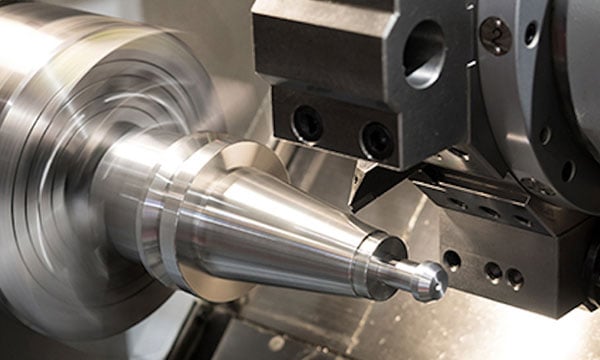
How to use a CNC machining tech guide for training?
When expanding training to encompass global production strategies, a good CNC machining tech guide can even touch upon the role of China CNC machining services. This segment might educate trainees on the advantages and considerations of outsourcing, including discussions on quality control, communication, and logistical planning in an international context. Understanding these broader industry dynamics prepares trainees for a more globally integrated manufacturing environment, adding another layer of practical knowledge to their skill set.
Beyond programming and software, the CNC machining tech guide is instrumental in educating trainees about material science. Different materials react uniquely to cutting forces, and the guide’s insights into material properties, appropriate tooling, and cutting parameters are essential. Trainees can learn to identify material characteristics and adjust machining strategies accordingly, minimizing waste and optimizing tool life. This practical application of theoretical knowledge, guided by the CNC machining tech guide, is crucial for producing high-quality components consistently.
Ultimately, using a CNC machining tech guide for training extends to fostering best practices in machine maintenance, troubleshooting, and quality control. Trainees can learn to identify common issues, perform routine inspections, and understand the importance of preventative measures. The guide serves as a constant reference for ensuring safety, maintaining machine longevity, and achieving the precise tolerances demanded by modern industries, thereby empowering a new generation of skilled CNC professionals.
