employers reduce severance later
When an employee is terminated, they often breathe a brief sigh of relief once a severance package is offered. However, uncertainty can quickly return when they begin to wonder: can employers reduce severance later? Understanding whether an employer has the right to change the terms after presenting an offer is important for protecting financial and legal interests. Severance Pay is typically offered to support employees during the transition after losing a job, and in most cases it is presented in writing. Once the offer has been accepted and signed, employers generally cannot reduce the severance amount without risking legal consequences. But before acceptance, the answer becomes more complicated.
Before an employee signs a severance agreement, employers technically have the ability to revise the terms, including lowering the amount. Some organizations initially propose a severance figure but later reduce it if negotiations fail or company budgets change. Although this may feel unfair, the agreement is not legally binding until both sides accept it, meaning no legal obligation to pay the original amount exists until signatures are exchanged. This is why employees should carefully evaluate the severance offer and negotiate strategically before agreeing. After an employee signs an agreement in exchange for Severance Pay, the employer normally cannot decrease the amount without violating the terms of the contract.
Once the agreement has been finalized, reducing Fixed term employment contract rights Ontario becomes a breach of contract. Employers that attempt to reduce or withhold severance after a signed release risk legal liability, including lawsuits and penalties. Severance agreements usually require employees to give up the right to pursue legal claims, and the compensation is provided in exchange for that waiver. If the employer reduces the severance amount afterward, the release may become invalid because the employee did not receive the promised compensation. In such cases, courts typically rule in favor of the employee because both contract law and employment standards protect workers’ rights during termination.
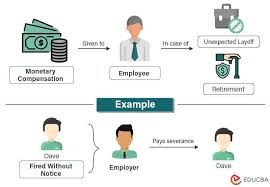
Can employers reduce severance later?
There are, however, situations that may lead an employer to try to reduce severance legally. If Severance Pay is provided as salary continuation instead of a lump sum, companies sometimes reserve the right to stop payments once the employee finds a new job. This condition must be clearly outlined in the severance agreement for it to be enforceable. Employers may also attempt to reduce severance if they believe the employee violated terms of the agreement—such as confidentiality, non-disparagement, or non-competition clauses. Even in those situations, the employer has the burden of proof and must comply with contract law. They cannot simply announce a reduction without proper justification.
Employees should also be cautious if the severance offer seems unusually vague or open-ended. Without detailed terms, there is more room for the employer to reinterpret the amount later. Requesting a written copy of the severance breakdown, along with payment schedules and benefits continuation dates, helps ensure clarity. If the offer does not mention restrictions or conditions, employers cannot later claim that they exist.
Ultimately, whether an employer can reduce severance later depends on the status of the agreement. Before signing, terms can be changed; after signing, reductions are typically prohibited and legally risky. To avoid surprises and secure the full value of Severance Pay, employees should take time to review the offer, request written clarification, and seek legal advice if anything seems uncertain. This ensures that severance truly provides financial stability during a challenging career transition.
