prefabrication site camps suitable for remote locations
When undertaking construction projects in remote areas, one of the critical challenges is providing adequate facilities and accommodations for workers. This is where the question arises: Are prefabrication site camps suitable for remote locations? The answer is a resounding yes, as these camps are specifically designed to address the logistical, operational, and human resource challenges that arise in isolated regions. A prefabrication site camp ensures that workers, supervisors, and engineers have access to essential services, which can significantly enhance productivity and project efficiency in areas far from urban infrastructure.
A major advantage of a Prefabrication Site Camp in remote locations is the ability to provide immediate and organized accommodation. Workers no longer need to commute long distances or rely on temporary shelters that may be unsafe or inadequate. These camps can include modular living units, dormitory-style accommodations, or even climate-controlled cabins, depending on the scale of the project and environmental conditions. In regions with extreme weather conditions, such as deserts or mountainous terrains, prefabricated accommodations offer protection from heat, cold, or precipitation, ensuring that the workforce remains healthy and productive.
Sanitation is another area where a Prefabrication Site Camp proves invaluable for remote projects. In locations far from municipal infrastructure, clean water supply, waste management, and hygienic restroom facilities can be difficult to maintain. Prefabrication site camps come equipped with reliable sanitation solutions, including sewage systems, water purification units, and regular cleaning protocols. Maintaining hygiene in remote locations is essential to prevent disease outbreaks, reduce absenteeism, and maintain workforce morale, making prefabrication camps an ideal solution.
Food provision and dining facilities are also a key consideration when evaluating whether Prefabrication Site Camp are suitable for remote locations. Access to fresh meals can be challenging in isolated areas, but prefabricated camps often include cafeterias or mess halls with full kitchen setups. These facilities can cater to the nutritional needs of workers, offering balanced meals at scheduled times. Additionally, some camps include storage and refrigeration units to manage food supplies efficiently. Providing reliable meals not only boosts energy levels but also contributes to the overall health and well-being of workers.
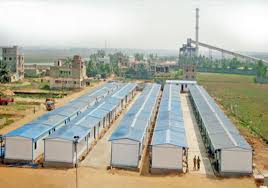
Are prefabrication site camps suitable for remote locations?
Healthcare services are critical in remote locations where hospitals and clinics may be far away. A Prefabrication Site Camp can include onsite medical facilities or first-aid stations staffed with trained personnel. This allows for immediate response to injuries or illnesses, which is particularly important in construction environments that involve heavy machinery and manual labor. Regular health check-ups, emergency medical kits, and even telemedicine options can be integrated into the camp, ensuring that workers have access to essential healthcare despite geographical challenges.
Safety and security are heightened concerns in isolated regions, and a Prefabrication Site Camp addresses these effectively. Fencing, controlled entry points, surveillance systems, and fire safety equipment are standard features of well-designed camps. In remote areas, where emergency response teams may take longer to arrive, having robust onsite safety protocols can prevent accidents and mitigate risks. Camps also provide training and emergency drills, preparing workers to handle unexpected situations safely and efficiently.
Logistics and transportation are simplified by establishing a Prefabrication Site Camp in remote locations. Workers can reside close to the construction site, reducing travel time and ensuring punctuality. Additionally, these camps often include storage areas for tools, machinery, and materials, which is particularly useful when supply chains are longer and less predictable. By centralizing resources in the camp, project managers can maintain workflow efficiency and minimize delays caused by transportation challenges.
Recreational facilities are an often-overlooked benefit of a Prefabrication Site Camp in remote areas. Isolation can affect mental well-being, and having spaces for relaxation, sports, or social interaction helps maintain morale. Camps may provide common areas, sports courts, or lounges where workers can unwind after demanding workdays. These facilities contribute to a more motivated workforce, reducing stress and improving overall performance on the job site.
A prefabrication site camp also facilitates better administration and communication in remote locations. Offices, meeting rooms, and digital communication hubs can be included within the camp to support management activities. This allows engineers and supervisors to monitor project progress, coordinate teams, and communicate with external stakeholders efficiently. Reliable internet connectivity and communication systems in the camp bridge the gap between the remote site and project headquarters, ensuring timely decision-making and problem resolution.
In conclusion, Are prefabrication site camps suitable for remote locations? The evidence strongly supports that they are. By providing accommodation, sanitation, food, healthcare, safety, recreational, and administrative facilities, these camps create a self-sufficient environment capable of overcoming the challenges posed by remote construction sites. They ensure that workers remain comfortable, healthy, and motivated while enabling seamless project execution. For construction companies aiming to maintain efficiency and workforce welfare in isolated areas, investing in a prefabrication site camp is not just suitable but essential for success.
